
Reuben Fine
- November 30, 2025
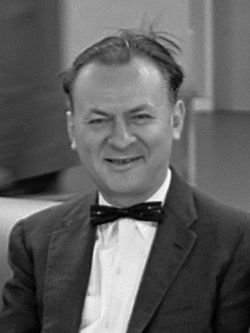
Chessmetrics Ranking: World Number One for six months at the turn of 1940-1941
Tournament Career: winner of eight super-tournaments:
shared first place but worse tiebreak at the AVRO 1938 chess tournament
winner of Hastings International Chess Congress 1935/36, Amsterdam Chess Tournament 1936, Ostend Chess Tournament 1937
and several others…
Chess Olympiads: three team gold medals, one gold and one silver individual medal
Why he deserved it:
Reuben Fine was the best American chess player of the 1930s, a veteran who was a hot candidate for the chess crown. During the 1930s, few doubted that it would be Fine who would succeed Alekhine on the throne. In every super-tournament he played, he finished at the top. He generally had very good scores against his star colleagues, for example, he had a slightly positive score against Alekhine, Lasker, Botvinnik, and an even score with Capablanca and Euwe.
His brightest moment came in 1938 at the AVRO super-tournament in the Netherlands. It was a tournament featuring eight players – the eight best in the world, as confirmed by retrospectively calculated historical rankings. The participants, besides Fine, were Alekhine, Botvinnik, Capablanca, Reshevsky, Euwe, Flohr, and Keres. It was a precursor to later Candidates Tournaments. The winner of the tournament (or the runner-up if Alekhine triumphed) was to get a chance to play for the world championship title. With a score of 8.5/14, Fine and Keres shared first place, with Keres declared the tournament winner based on a better head-to-head score against Fine. Even so, it was the greatest success of Fine’s career.
Fine won many super-tournaments, for example, in Hastings 1935, he surpassed players like Flohr and Tartakower, in Amsterdam 1936 he shared first place with then-world champion Euwe and was better than Alekhine. He also represented the USA very successfully in chess Olympiads.
His further pursuit of the world championship title was interrupted by World War II, and Fine was definitely one of the players whose career was most affected. After the resumption of chess competitions, he was no longer the old Fine, not only in terms of playing strength but mainly motivation. During the war, he began to focus on other things (such as a doctorate in psychology), although he did not completely stop playing chess. He declined an invitation to the 1948 World Championship, held as a tournament of the best players after Alekhine’s death, for various reasons. One of the reasons was reportedly his distrust of Soviet players and the belief that these players would not allow anyone outside the USSR to win. Fischer held the same belief twenty years later. Fine ended his chess career in 1951 at the age of thirty-seven.
Best Games:
Reuben Fine vs Mikhail Botvinnik
AVRO 1938
Support the author and help create more articles
Research and writing take hours. Your contribution keeps ChessDB.cz free of annoying ads and enables more frequent writing.
- 🎯 more quality articles
- ⚡ faster tool development
- 🖥️ server maintenance
Share
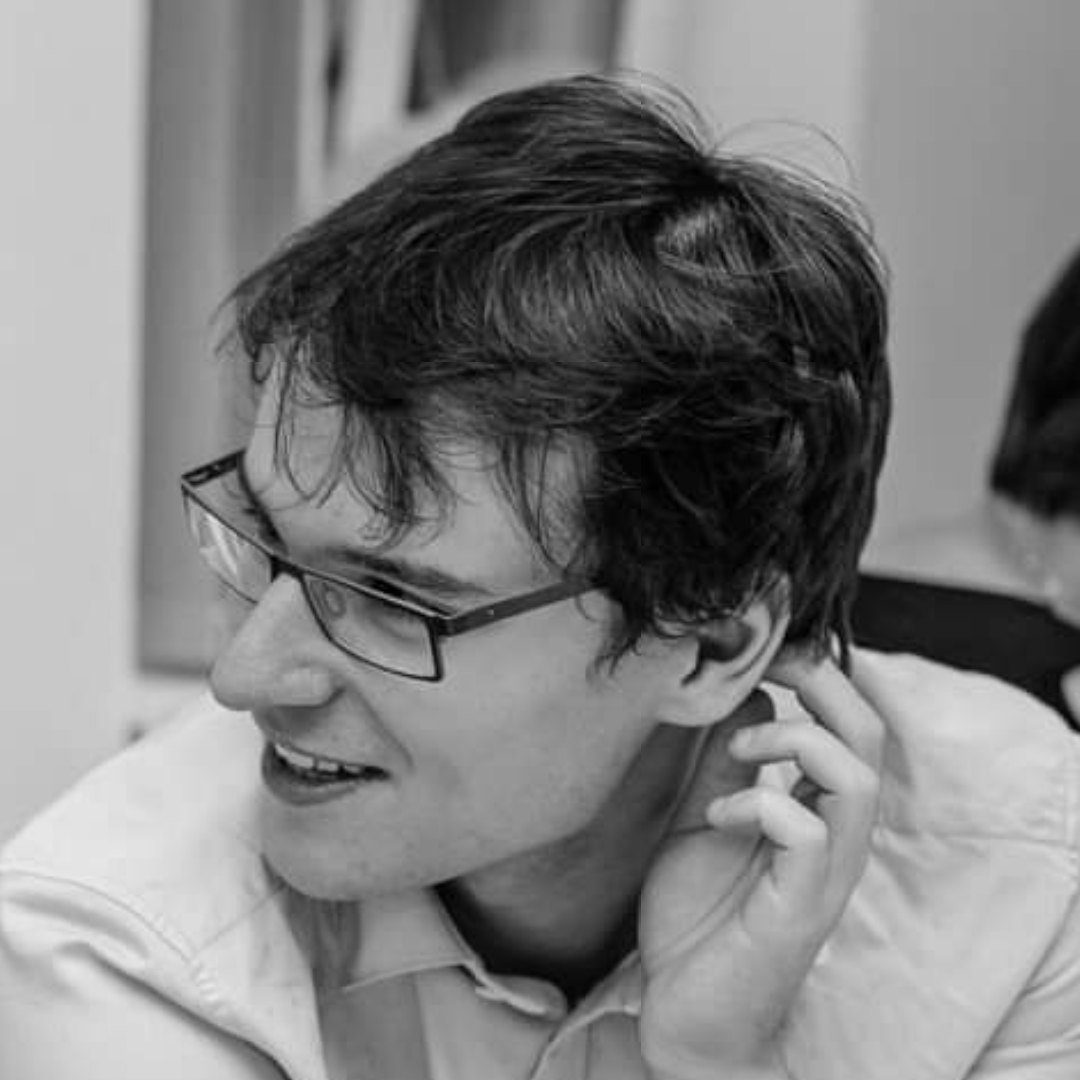
Miroslav Janeček graduated in English Philology at Palacký University Olomouc. Currently he works in Prague as a content editor for a large marketing company. His roots are in Opava - the historic and cultural centre of the Czech part of Silesia. That city is also the home of Slezan Opava, the chess club where Miroslav started to play chess, later went on to work as a youth coach and which he to this day proudly represents. As an aspiring chess publicist, he is the main author of articles on ChessDB.cz. In his free time, in addition to chess and writing, he also devotes himself to racket sports, history, and literature.